
The future of work isn't coming—it's already clocking in alongside you.
Picture this: You arrive at work, settle into your routine, and receive your first task assignment of the day. But the directive doesn't come from a person in a corner office. It comes from an algorithm that analyzed your performance metrics overnight, calculated optimal productivity windows, and determined exactly what you should be working on at 9:07 AM.
Welcome to the era of algorithmic management—a workplace reality that's no longer limited to warehouse floors or gig economy apps. It's expanding into corporate offices, healthcare settings, and creative industries faster than most of us realize.
And whether you find this development exciting, unsettling, or somewhere in between, understanding how to navigate this new landscape isn't optional anymore. It's essential for your career survival and your mental well-being.
---
Let's start with the basics. Algorithmic management refers to software systems that perform functions traditionally handled by human managers: assigning tasks, monitoring performance, providing feedback, and sometimes making decisions about scheduling, pay, and even termination.
Think of it as management-by-data on steroids.
These systems collect information about how you work—how fast you type, how long you spend on tasks, when you take breaks, how you interact with colleagues, and countless other data points—then use that information to direct and evaluate your work.
According to research from the UC Berkeley Labor Center, approximately 80% of large employers now use some form of automated monitoring or management tools for at least part of their workforce. The pandemic accelerated this trend dramatically as remote work made traditional supervision impossible.
But here's what makes this moment particularly significant: The AI systems doing this management are becoming exponentially more sophisticated. We're not talking about simple time-tracking software anymore. We're talking about systems that can analyze the sentiment in your emails, predict your likelihood of quitting, and recommend whether you deserve a promotion.
---
Understanding algorithmic management becomes easier when you recognize it typically shows up in three distinct forms. Think of these as the different "personalities" your digital boss might take on.
This is the most visible form of algorithmic management. The Taskmaster assigns work, sets priorities, and tracks completion. If you've ever driven for a rideshare company, delivered food through an app, or worked in an Amazon warehouse, you've met this boss intimately.
The Taskmaster operates on pure efficiency logic. It knows traffic patterns, customer demand, inventory levels, and historical performance data. It uses this information to optimize every moment of your working time.
The upside: You always know what to do next. There's a certain clarity in receiving direct, data-driven instructions.
The challenge: The Taskmaster doesn't understand context, fatigue, or the human need for autonomy. It can feel relentless.
This algorithmic manager lives in the background, constantly assessing your performance against metrics you may or may not fully understand. The Evaluator determines your productivity scores, flags potential problems, and influences decisions about your compensation and career advancement.
A 2023 study published in the Harvard Business Review found that 60% of companies using performance management software now incorporate some form of AI-driven evaluation, up from just 30% five years earlier.
The upside: Potentially more objective assessment that removes some human biases from the equation.
The challenge: Algorithms can encode different biases, and being constantly measured can create significant psychological pressure.
The most sophisticated form of algorithmic management, the Orchestrator coordinates entire teams and workflows. It decides who works with whom, when meetings should happen, which projects get prioritized, and how resources get allocated across an organization.
Major corporations including IBM, Unilever, and Walmart have implemented orchestration systems that make real-time decisions about workforce deployment.
The upside: Improved coordination and resource allocation at scales impossible for human managers to achieve.
The challenge: Loss of the relationship-building and mentorship that traditionally comes from working closely with human leaders.
---

Here's where we need to get real about something the tech industry often glosses over: Being managed by an algorithm affects your brain differently than being managed by a person.
Dr. Hatim Rahman, a professor at Northwestern's Kellogg School of Management who studies algorithmic work, has documented what he calls "algorithmic anxiety"—a persistent stress response that comes from never fully understanding why decisions are being made about your work life.
When a human boss gives you feedback, you can ask questions. You can read their facial expressions. You can build a relationship over time that provides context for their expectations. You can appeal to their judgment when circumstances are unusual.
With an algorithm, you're often operating in a black box.
This opacity creates a specific psychological burden. Workers report feeling:
A 2024 study from the American Psychological Association found that workers under intensive algorithmic monitoring reported stress levels 40% higher than those with similar jobs but human supervision.
This isn't just discomfort—it's a genuine wellness concern that deserves attention.
---
Now, let's flip the script for a moment. Because the algorithmic management story isn't purely negative, and pretending otherwise wouldn't be honest.
Traditional human management has significant problems. Favoritism, inconsistency, discrimination, mood-based decision making, and simple forgetfulness plague workplaces everywhere. Some workers have terrible bosses who create genuinely harmful environments.
In theory, algorithms offer something different: consistent, data-driven decisions that treat everyone according to the same rules.
Research from MIT Sloan has shown that well-designed algorithmic systems can reduce certain types of workplace discrimination. When hiring algorithms are properly audited and constructed, they can focus on qualifications rather than factors like names or educational pedigree that often trigger unconscious human bias.
Some workers—particularly those who've experienced discrimination or favoritism from human managers—report preferring algorithmic oversight. At least the algorithm won't dislike them personally.
The key phrase here is "well-designed."
The uncomfortable truth is that many algorithmic management systems are not well-designed. They're built quickly, tested inadequately, and deployed without sufficient attention to their impact on human beings. They often encode the biases of their creators or the historical data they're trained on.
An algorithm trained on past performance data might perpetuate discrimination patterns present in that historical record. A system designed to maximize short-term productivity might burn out workers and increase turnover. A monitoring tool calibrated for one type of work might penalize workers whose roles require creativity or collaboration.
The question isn't whether algorithms can be fair and effective managers. It's whether the specific systems governing your work actually are.
---
Given this complex reality, how do you actually navigate a workplace where algorithms play a significant role in managing your work? Here's a practical framework I call ADAPT:
Start by getting clarity on what systems influence your work life. Ask yourself:
Many workers have only vague awareness of how algorithmic management affects them. You can't navigate what you don't understand.
Don't be afraid to ask HR or management directly about these systems. You have a legitimate interest in understanding how decisions about your work are made.
Algorithms are notoriously bad at understanding context. They see data; they don't see circumstances.
Create systems for documenting the contextual factors that affect your work. If an unusual situation caused a dip in your metrics, record what happened and when. Keep notes about challenges, obstacles, and non-standard situations.
This documentation becomes invaluable if you ever need to explain your performance to human decision-makers who review algorithmic assessments.
Here's a powerful truth: Workers who collectively advocate for algorithmic transparency often get it.
Across industries, from tech companies to warehouses, worker pressure has led organizations to provide more information about how their algorithmic systems work. Some jurisdictions are now passing laws requiring this transparency.
New York City's Local Law 144, for example, requires employers using AI in hiring to conduct annual audits and share results with candidates. The European Union's AI Act creates transparency requirements for high-risk AI systems in employment.
You have more power than you might think to push for clarity about the algorithms affecting your work.
Working under algorithmic surveillance requires intentional mental health strategies. Consider:
Creating genuine off-time. When work monitoring is constant, having clear boundaries between work and personal time becomes crucial for recovery.
Practicing perspective. Your worth as a person isn't captured in any metric. Algorithms measure narrow slices of your contributions; they don't measure your value.
Finding human connection. Even in algorithmically managed environments, human relationships remain essential. Invest in connections with colleagues who understand your experience.
Recognizing stress signals. Be honest with yourself about whether algorithmic management is affecting your mental health in concerning ways.
Finally, consider how algorithmic management trends should influence your career decisions.
Some roles are becoming more algorithmically managed over time; others remain primarily human-directed. Some industries are implementing these systems thoughtfully; others are rushing to deploy them without adequate consideration for worker impact.
You can vote with your career choices. Understanding the algorithmic management landscape in different roles and companies can help you make informed decisions about where to invest your professional life.
---
If you're in a position of organizational influence, it's worth understanding what distinguishes algorithmic management implementations that work from those that create problems.
Opacity by default. Organizations often fail to explain their algorithmic systems because it seems complicated or because they worry about workers "gaming" the metrics. This secrecy typically backfires, creating anxiety and distrust.
Measurement without meaning. Counting keystrokes, tracking mouse movements, or monitoring time-on-task often measures activity rather than actual value creation. Workers quickly learn to optimize for metrics that may not align with genuine performance.
Removing human judgment entirely. The most problematic implementations take humans out of consequential decisions completely. When an algorithm alone determines who gets fired or promoted, accountability disappears.
Ignoring feedback. Workers often have valuable insights about how algorithmic systems are failing. Organizations that don't create channels for this feedback miss opportunities to improve their systems.
Transparency by design. Workers understand what's being measured, why, and how it influences decisions about them.
Human-in-the-loop. Algorithms inform decisions, but humans make final calls on consequential matters.
Regular auditing. Systems are checked for bias, accuracy, and unintended consequences.
Worker input. Those affected by algorithmic management have genuine voice in how systems are designed and adjusted.
Holistic metrics. What gets measured reflects the full complexity of valuable work, not just easily quantifiable outputs.
---
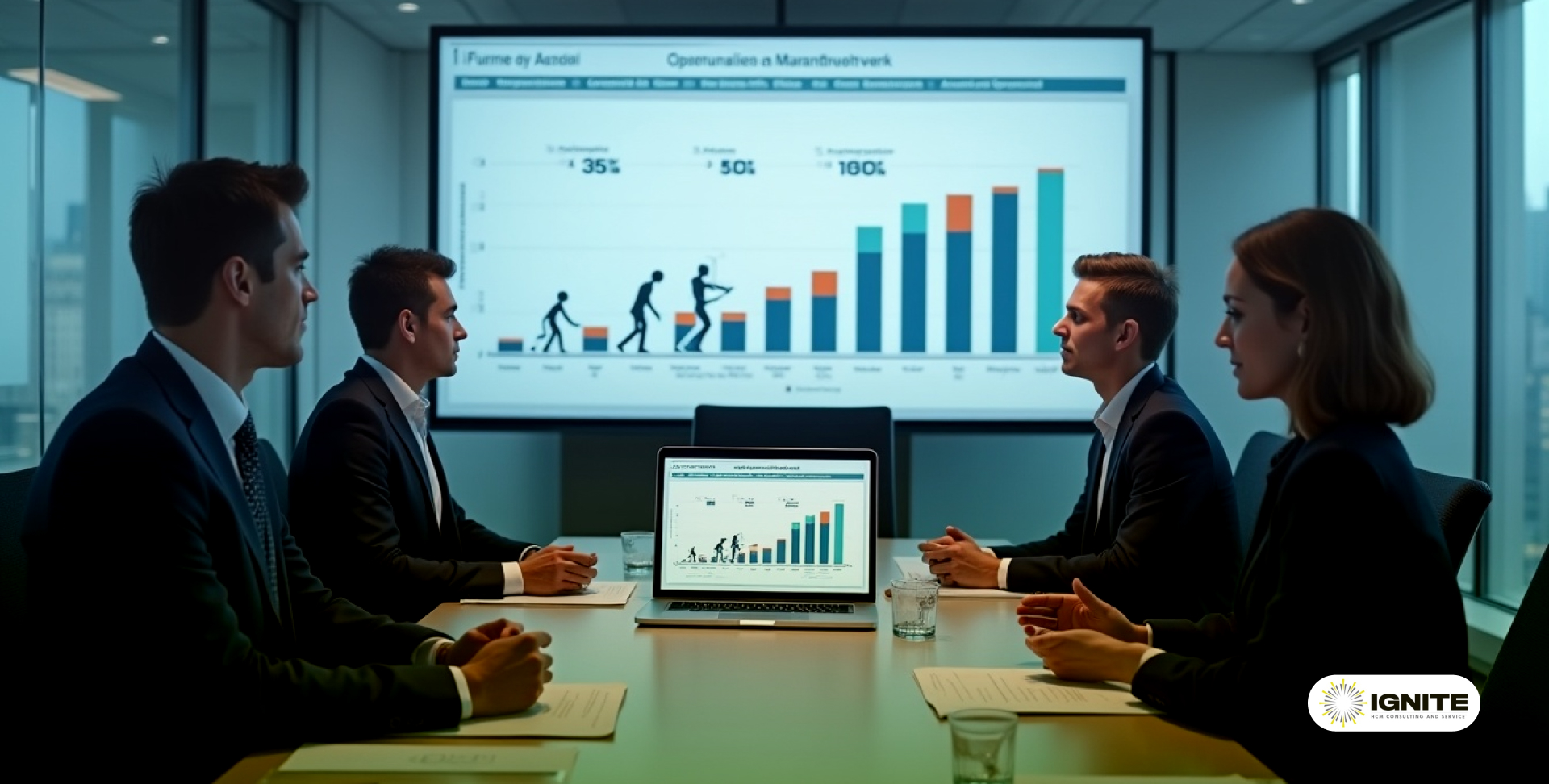
Let's zoom out for a moment. Because ultimately, the question of algorithmic management connects to something much larger: What do we believe work should be, and what do we believe workers deserve?
Throughout human history, the experience of work has been shaped by technology. The assembly line, the factory clock, the performance review—each of these technologies changed how work felt and what workers could expect.
Algorithmic management is the next chapter in this story. And like previous chapters, its ultimate shape isn't predetermined. It will be determined by the choices organizations make, the policies governments enact, and the expectations workers voice.
We're currently in a window where norms are being established. How organizations deploy these systems now, and how workers respond, will influence the workplace experience for decades to come.
---
If you've read this far, you're probably thinking about how algorithmic management shows up in your own work life. Here's what I'd encourage you to do next:
This week: Have a conversation with a colleague about algorithmic management. Compare notes on what you each understand about how decisions in your workplace get made.
This month: Review your organization's policies and documentation about monitoring and performance management. Many companies have this information available but buried in employee handbooks or policy documents.
Ongoing: Pay attention to how you feel about algorithmic elements in your work. Notice when they create stress, and notice when they actually help. Your lived experience is valuable data.
---
The question isn't whether you'll work alongside algorithmic management systems—that's already happening for most knowledge workers and has been the reality for gig and warehouse workers for years.
The question is whether you'll navigate this reality with awareness and intention, or whether you'll experience it passively.
Algorithmic management isn't inherently good or bad. It's a tool—an extraordinarily powerful tool—that can be implemented in ways that range from genuinely helpful to actively harmful.
Your job is to understand the systems that affect you, advocate for implementations that respect your humanity, protect your mental well-being along the way, and make career choices that align with your values.
The algorithm might assign your tasks. But it doesn't get to define your worth, your potential, or your path forward.
That remains firmly in human hands—specifically, yours.