Nearly 60 million Americans are part of the gig economy—and most of them are one health crisis away from financial disaster.
If you've ever ordered food through DoorDash, caught an Uber, hired a freelancer on Fiverr, or booked a cleaner through TaskRabbit, you've participated in the gig economy. It's convenient, flexible, and increasingly how modern work gets done. But here's the uncomfortable truth hiding behind that convenience: the person who delivered your dinner last night probably doesn't have health insurance through their job. They likely aren't building toward retirement. And if they get sick or injured, they might be completely on their own.
This isn't a fringe issue anymore. It's a fundamental shift in how we work—and our benefits system hasn't caught up.
Enter portable benefits: a revolutionary approach that could finally bridge the gap between traditional employment security and modern work flexibility. Think of it as benefits that travel with you, not your job. And while it might sound futuristic, it's already happening in pockets across the country.
Let's break down what portable benefits actually are, why they matter for everyone (yes, even if you have a traditional 9-to-5), and how this movement could reshape the future of work.
---
Portable benefits are employee benefits—like health insurance, retirement savings, and paid leave—that aren't tied to a single employer. Instead, they follow the worker from gig to gig, job to job, throughout their entire career.
Here's a simple mental model to understand this:
Think of traditional benefits like a house you rent from your employer. When you leave that job, you lose the house. Now imagine if you owned that house and could take it with you wherever you went. That's essentially what portable benefits offer—ownership of your safety net.
In a portable benefits system, contributions can come from multiple sources:
These contributions flow into accounts or funds that belong to you, the worker. Whether you drive for Lyft on Monday, do freelance graphic design on Tuesday, and pick up shifts at a restaurant on Wednesday, your benefits accumulate across all these income sources.
The three main categories of portable benefits include:
---
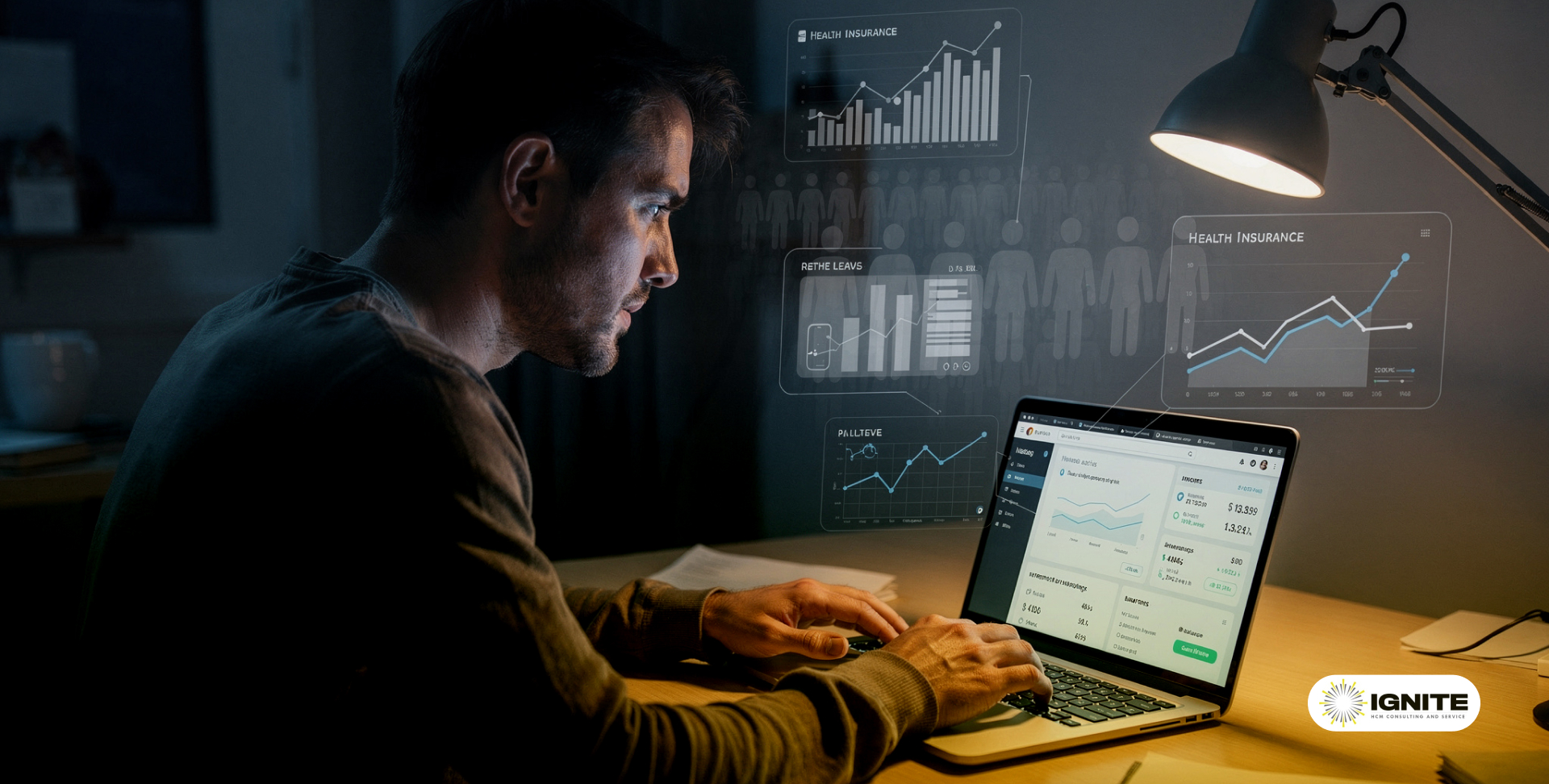
Let's get real about the numbers. According to the McKinsey Global Institute, up to 36% of employed Americans engage in independent work as either their primary or supplementary income source. The Bureau of Labor Statistics projects this sector will continue growing.
But here's where it gets concerning: A study by the Aspen Institute found that nearly 80% of gig workers lack access to employer-sponsored benefits. That means millions of people are working without the safety nets most of us take for granted.
"The social contract between employers and employees was built for a different era," explains the National Academy of Social Insurance in their research on modernizing worker benefits. "Our current system assumes most people work full-time for a single employer who provides benefits. That assumption is increasingly outdated."
Consider this scenario: A graphic designer works full-time as a freelancer, earning a solid $70,000 per year across various clients. On paper, they're doing well. But without employer-sponsored benefits:
By some estimates, independent workers need to earn 25-30% more than traditional employees just to achieve the same financial security. That's not a level playing field—that's a system designed for a workforce that no longer exists.
---
Several models for portable benefits have emerged, each with different approaches to the same fundamental challenge. Understanding these frameworks helps clarify what's actually possible.
This is the most commonly discussed approach. Under this model, every company or platform you work for contributes to your benefits proportionally based on the work you do for them.
Here's how it might look in practice:
You work 20 hours for Platform A and 15 hours for Platform B in a given week. Each platform would contribute to your benefits fund based on those hours. These contributions flow into a centralized account managed by a third-party administrator—not tied to either platform.
The math is straightforward: more hours worked equals more contributions, regardless of who you're working for.
Some industries are experimenting with guild-like organizations that pool resources for independent workers. These function similarly to unions but for gig workers.
The Freelancers Union, founded in 1995, pioneered this approach. Today, it represents over 500,000 members and offers access to health insurance, retirement plans, and other benefits specifically designed for independent workers.
"Freelancers Union recognized early on that freelancers needed collective solutions," the organization states in its mission materials. "No single freelancer can negotiate the rates that a group of 500,000 can."
Some proposals involve government infrastructure that makes it easier for workers and platforms to contribute to portable benefit accounts. Think of this as Social Security 2.0—a baseline system updated for modern work arrangements.
Washington State passed a landmark law in 2022 establishing a portable benefits study, examining how such a system could work at the state level. Several other states are exploring similar legislation.
---
Portable benefits aren't just theoretical—they're already being piloted and implemented in various forms across the country.
One of the oldest examples of portable benefits in action is New York's Black Car Fund, established in 1999. This fund provides workers' compensation insurance to for-hire vehicle drivers in the state, including many rideshare drivers.
How it works: A small surcharge is added to each ride. This money flows into the fund, which provides coverage if drivers are injured on the job. The benefit stays with the driver regardless of which company they drive for.
Perhaps the most innovative current model is Alia, launched in 2018 by the National Domestic Workers Alliance. It provides portable benefits to house cleaners, nannies, and other domestic workers—a workforce almost entirely excluded from traditional employment protections.
The Alia model works like this: Clients contribute a small amount (as little as $5 per cleaning) that accumulates in the worker's personal Alia account. Workers can use these funds for paid time off, life insurance, or other benefits.
"For the first time, I can take a sick day without losing income," shared one Alia member in the program's impact report. "That changes everything about how I think about my work and my health."
Several gig platforms have begun experimenting with benefits for their workers:
While these programs vary widely in scope and effectiveness, they signal growing industry recognition that the old model isn't sustainable.
---
Based on research from the Aspen Institute's Future of Work Initiative and other policy organizations, effective portable benefits systems share certain characteristics. Think of these as the essential ingredients for a system that actually works.
1. Universality
Benefits should be accessible to all workers, regardless of their employment classification. Whether you're a W-2 employee, a 1099 contractor, or something in between, you should be able to participate.
2. Portability
This one's obvious but crucial—benefits must follow the worker, not remain with any single employer or platform.
3. Pro-Rated Contributions
Contributions should reflect actual work performed. A few hours of gig work shouldn't require the same contribution as full-time employment.
4. Simplicity
The system must be easy for both workers and companies to navigate. Complexity kills adoption.
5. Flexibility
Workers should have choice in how their benefits are allocated based on their individual needs and life circumstances.
---
If portable benefits sound like such a great idea, why don't we have them everywhere already? Several significant barriers remain.
Perhaps the biggest obstacle is the ongoing debate over worker classification. Are gig workers employees or independent contractors? This legal distinction determines what benefits companies are required to provide.
California's Proposition 22, passed in 2020, created a new category for app-based workers that includes some benefits but not others. It remains controversial, with ongoing legal challenges and debates about whether it helps or hurts workers.
The core tension: Companies want to maintain flexibility (and lower costs) by classifying workers as contractors. Workers' advocates argue this classification denies workers protections they deserve. Portable benefits could potentially offer a middle path—providing security without requiring full employee classification.
Who pays for portable benefits? This question doesn't have an easy answer.
If companies pay, critics argue costs will be passed on through higher prices or lower wages. If workers pay, many gig workers already earning modest incomes may not be able to afford contributions. If government pays, it means higher taxes or redirecting funds from other priorities.
Most experts believe the answer involves shared contributions—a mix of all three sources, potentially with subsidies for lower-income workers.
Creating the infrastructure for portable benefits—the accounts, the contribution mechanisms, the fund administration—requires significant investment and coordination. Who builds this system? Who manages it? Who ensures it's secure?
These aren't insurmountable challenges, but they require political will and cross-sector collaboration that can be difficult to achieve.
---
Even if you have a steady job with full benefits, the portable benefits movement matters to you. Here's why.
Job security isn't what it used to be. The average American changes jobs 12 times during their career, according to the Bureau of Labor Statistics. Each transition can mean gaps in coverage, lost retirement matching, and starting over with new benefit plans.
The lines are blurring. Many people with traditional jobs also do side gigs. A teacher who tutors through an app. A marketing professional who freelances on weekends. These hybrid workers exist in a gray zone our current system doesn't address well.
It affects the economy we all share. When millions of workers lack health insurance, they delay preventive care, leading to more expensive emergency interventions—costs that ultimately affect everyone through higher healthcare prices and public emergency room costs.
It's about what kind of society we want to build. The question of how we support workers reflects our values. Do we believe economic security should be limited to those with traditional employment? Or do we believe all work has dignity and deserves protection?
---
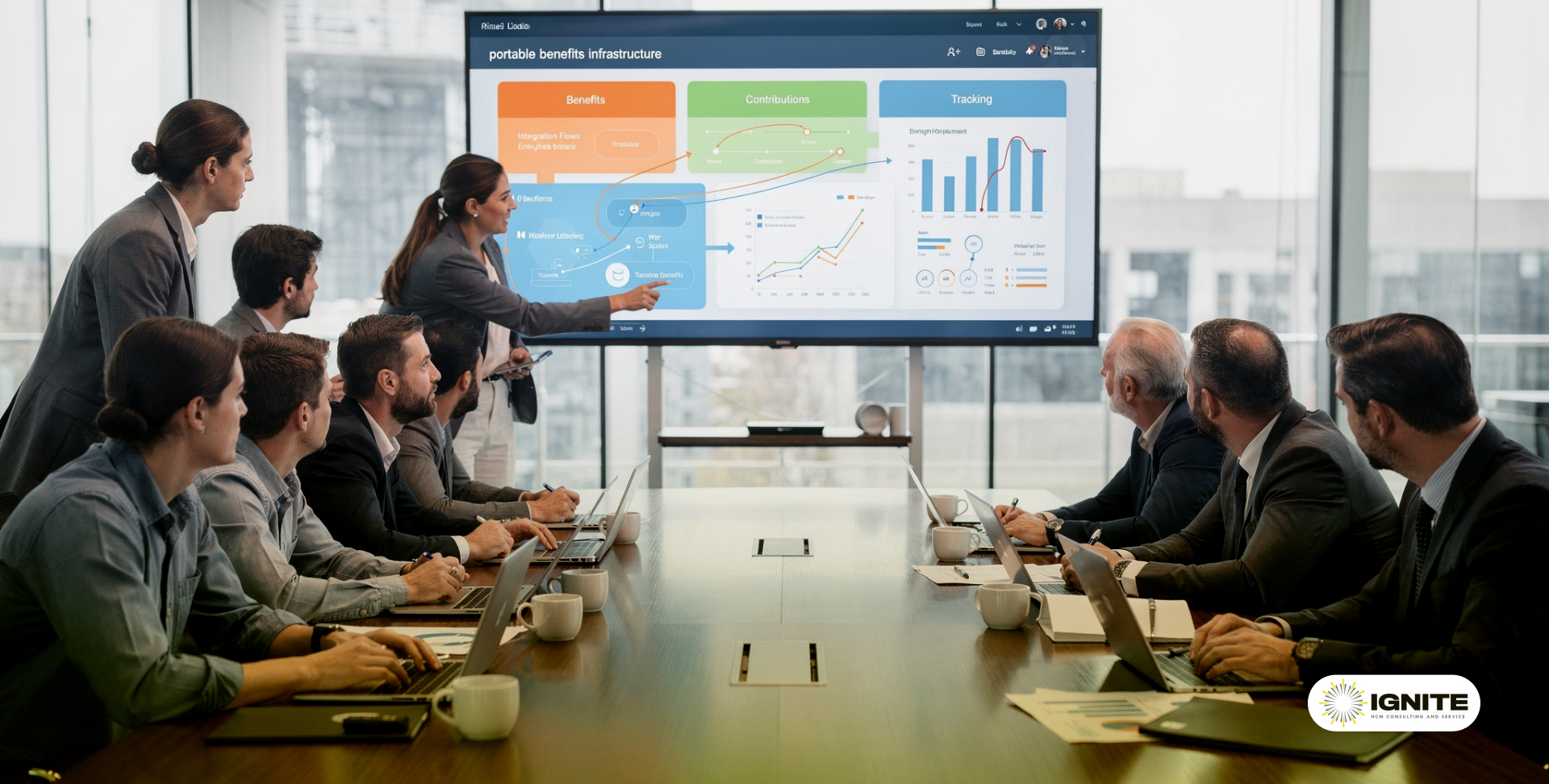
Moving from scattered experiments to widespread portable benefits will require action on multiple fronts.
States can serve as laboratories, testing different approaches to portable benefits. Several states are already studying or piloting programs. Congressional proposals have been introduced at the federal level, though none have yet gained significant traction.
"We need policymakers willing to think beyond the traditional employer-employee framework," notes the Aspen Institute's Future of Work Initiative. "The workforce has changed. Our policies need to catch up."
Some gig platforms are beginning to recognize that providing benefits—even voluntarily—makes business sense. It can reduce turnover, improve worker quality, and build public goodwill. More companies taking this step would accelerate the movement.
Organizations like the Freelancers Union demonstrate that independent workers can band together for collective benefit. Expanding these models and building new forms of worker power appropriate to the gig economy will be essential.
Technology created the gig economy; it can also help solve its challenges. Platforms that make it easy to track work across multiple sources, contribute to portable benefit funds, and access services could make the whole system more feasible.
---
Whether you're a gig worker, a traditional employee, or someone who uses gig economy services, you can engage with this issue.
If you're a gig worker:
If you're a consumer:
If you're a policymaker or business leader:
---
The gig economy isn't going away. Flexibility, technology, and changing preferences are reshaping work in ways that won't reverse. The question isn't whether we'll have gig work—it's whether we'll update our social infrastructure to support the people doing it.
Portable benefits represent one of the most promising solutions to this challenge. They offer a way to preserve what people love about gig work—the flexibility, the autonomy, the ability to craft your own career—while providing the security that everyone deserves.
It won't be simple. It will require creativity, compromise, and political will. But the alternative—a growing workforce without basic protections, without healthcare, without hope for retirement—isn't acceptable.
The 60 million Americans in the gig economy aren't asking for special treatment. They're asking for the same basic security that traditional workers have long enjoyed. Portable benefits could finally make that possible.
The future of work is already here. It's time our benefits system caught up.