The way we work has officially entered its next chapter—and it looks nothing like the awkward Zoom calls of 2020.
Remember when "hybrid work" meant frantically toggling between your kitchen table and a half-empty office while pretending everything was fine? Those chaotic early days feel almost quaint now. We've collectively graduated from survival mode into something far more intentional, and honestly? It's kind of exciting.
Welcome to Hybrid Work 2.0—a smarter, more human-centered approach to flexible work that's less about where you sit and more about how you thrive. This isn't your pandemic-era makeshift arrangement. It's a deliberately designed system that actually works for real human beings with real lives.
---
Let's get clear on what we're talking about here. The first wave of hybrid work was reactive. Companies scrambled to keep operations running while employees figured out how to unmute themselves on video calls. It was messy, inconsistent, and often left everyone feeling exhausted.
Hybrid Work 2.0 is proactive. It's the result of years of experimentation, data collection, and genuine reflection on what makes people productive, engaged, and—here's the important part—actually happy at work.
Think of it this way: Hybrid 1.0 was about surviving flexibility. Hybrid 2.0 is about optimizing it.
This new generation of flexible work models incorporates several key shifts:
The organizations getting this right aren't just offering remote work as a perk. They're rebuilding their entire operational philosophy around the understanding that flexibility and performance aren't opposites—they're partners.
---
Here's something that might shift your perspective: our brains weren't designed for the traditional 9-to-5 office model in the first place.
Research in chronobiology—the study of our internal biological clocks—shows that people have vastly different peak performance windows. Some of us are genuine morning people whose cognitive sharpness peaks around 10 AM. Others hit their creative stride after lunch or even in the evening hours.
Forcing everyone into identical schedules is like asking left-handed people to write with their right hand. It's possible, but it's not optimal, and it definitely doesn't feel good.
A 2023 study published in the Journal of Applied Psychology found that employees with schedule autonomy reported 29% higher job satisfaction and demonstrated 21% greater productivity compared to those with rigid schedules. These aren't marginal improvements—they're transformational.
Dr. Adam Grant, organizational psychologist at Wharton, has noted that the most effective workplaces are shifting from measuring face time to measuring impact. This fundamental reframe changes everything about how we structure our days, our weeks, and our work relationships.
—
After analyzing successful flexible work implementations across multiple industries, a clear framework emerges. The most effective Hybrid 2.0 models rest on four essential pillars.
Gone are the days of coming to the office just to sit in a cubicle and attend meetings that could have been emails. Hybrid 2.0 treats in-person time as a precious resource to be used intentionally.
This means office days are designed around activities that genuinely benefit from physical proximity:
What doesn't need to happen in person? Deep focus work, routine check-ins, independent projects, and most administrative tasks. These are often better done remotely, where interruptions are minimized and people can structure their environment for concentration.
The mental model here is simple: match the work type to the optimal work location. It sounds obvious, but most organizations still haven't operationalized this principle.
Here's where things get interesting. "Flexibility" doesn't mean "chaos" or "figure it out yourself." The most successful Hybrid 2.0 organizations provide clear guardrails that actually make flexibility more accessible, not less.
Structured flexibility might look like:
This structure isn't about control. It's about creating predictability so that flexibility becomes sustainable rather than stressful. When everyone knows the rules of engagement, nobody has to guess whether they're doing flexibility "right."
One of the biggest criticisms of early hybrid models was that they created two classes of employees: the visible office workers who got face time with leadership, and the remote workers who became "out of sight, out of mind."
Hybrid Work 2.0 tackles this head-on through deliberate equity practices.
This includes:
Stanford economist Nicholas Bloom, who has studied remote work for over a decade, emphasizes that organizations must actively design against "proximity bias"—our natural tendency to favor people we see frequently. This bias is real and measurable, but it's also addressable with the right systems.
Perhaps the most significant evolution in Hybrid Work 2.0 is the explicit integration of employee wellbeing into work design. This isn't wellness as an afterthought or a meditation app added to benefits. It's wellness as a structural element of how work happens.
What does wellness integration look like in practice?
The research is unambiguous: sustainable performance requires recovery. Athletes know this intuitively—you can't train at maximum intensity every single day and expect to improve. Knowledge workers are finally catching up to this reality.
---
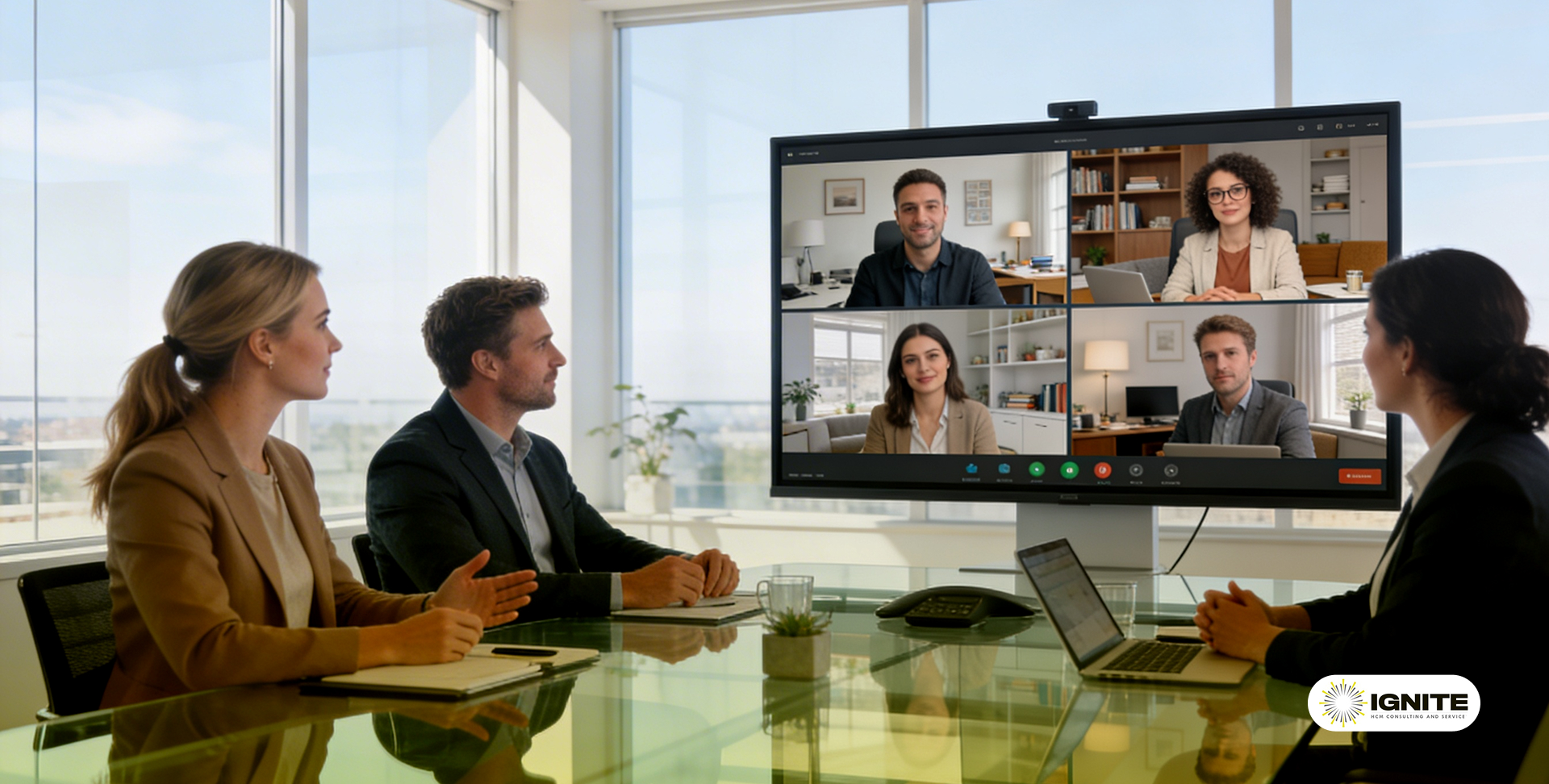
Let's talk about tools—because the right technology can make or break a hybrid model.
The Hybrid 2.0 tech philosophy is fundamentally different from what came before. Instead of tools that monitor and surveil, the focus is on technology that enables, connects, and simplifies.
Asynchronous Communication Platforms
Tools like Loom, Notion, and thoughtfully-organized Slack channels allow information to flow without requiring everyone to be online simultaneously. This is essential for teams spanning time zones and for protecting focused work time.
Smart Scheduling Solutions
Calendar tools that incorporate location, preferences, and meeting types help coordinate in-person days and reduce the friction of planning hybrid collaboration.
Digital Collaboration Spaces
Virtual whiteboards, shared documents, and project management platforms create visibility into work progress without requiring constant check-ins.
Connection and Culture Tools
Platforms designed to facilitate the informal interactions that build relationships—virtual coffee chats, interest-based groups, and recognition systems that work regardless of location.
The key question to ask about any workplace technology: Does this tool trust employees, or does it surveil them? Surveillance-based tools might provide short-term compliance, but they destroy the psychological safety that makes Hybrid 2.0 actually work.
---
Whether you're designing these systems or working within them, certain practices dramatically improve the hybrid experience.
Design Your Default Week
Rather than approaching each week as a blank slate, create a template that allocates different types of work to different days and times. Maybe Mondays are for planning and administrative tasks. Tuesdays are your deep work days at home. Wednesdays are for in-person collaboration. Having a default reduces decision fatigue and ensures all work types get attention.
Communicate Your Patterns
Help your colleagues know when and how to reach you. A simple "working hours" indicator or a shared team calendar showing work locations removes guesswork and reduces friction.
Protect Your Transitions
The shift between work and personal time is harder without a commute to create separation. Build intentional rituals—a walk around the block, a change of clothes, a shutdown routine—that signal to your brain that work mode is ending.
Invest in Your Workspace
Whether home or office, your physical environment affects your mental state. Good lighting, comfortable seating, and minimal distractions aren't luxuries—they're tools for doing your best work.
Stay Visible Strategically
This doesn't mean performative busyness. It means ensuring your contributions are documented, your voice is heard in meetings, and your work is connected to outcomes that matter. Advocate for yourself, because proximity bias is real even in the best organizations.
Model the Behavior You Want to See
If you expect employees to use flexibility, you need to use it yourself—visibly. Leaders who talk about work-life balance but never log off send a message that flexibility is for everyone except ambitious people.
Shift from Surveillance to Support
Your job isn't to monitor whether people are working. It's to ensure they have what they need to succeed and to remove obstacles in their path. This mindset shift transforms the manager-employee relationship.
Create Psychological Safety
People need to feel safe to ask questions, admit uncertainty, and take risks without fear of punishment. In hybrid environments, this requires extra intentionality because the informal reassurance that happens in physical spaces is less available.
Measure What Matters
Define clear outcomes and evaluate performance against those outcomes. Time spent at desk or online is not a meaningful measure of value created.
---
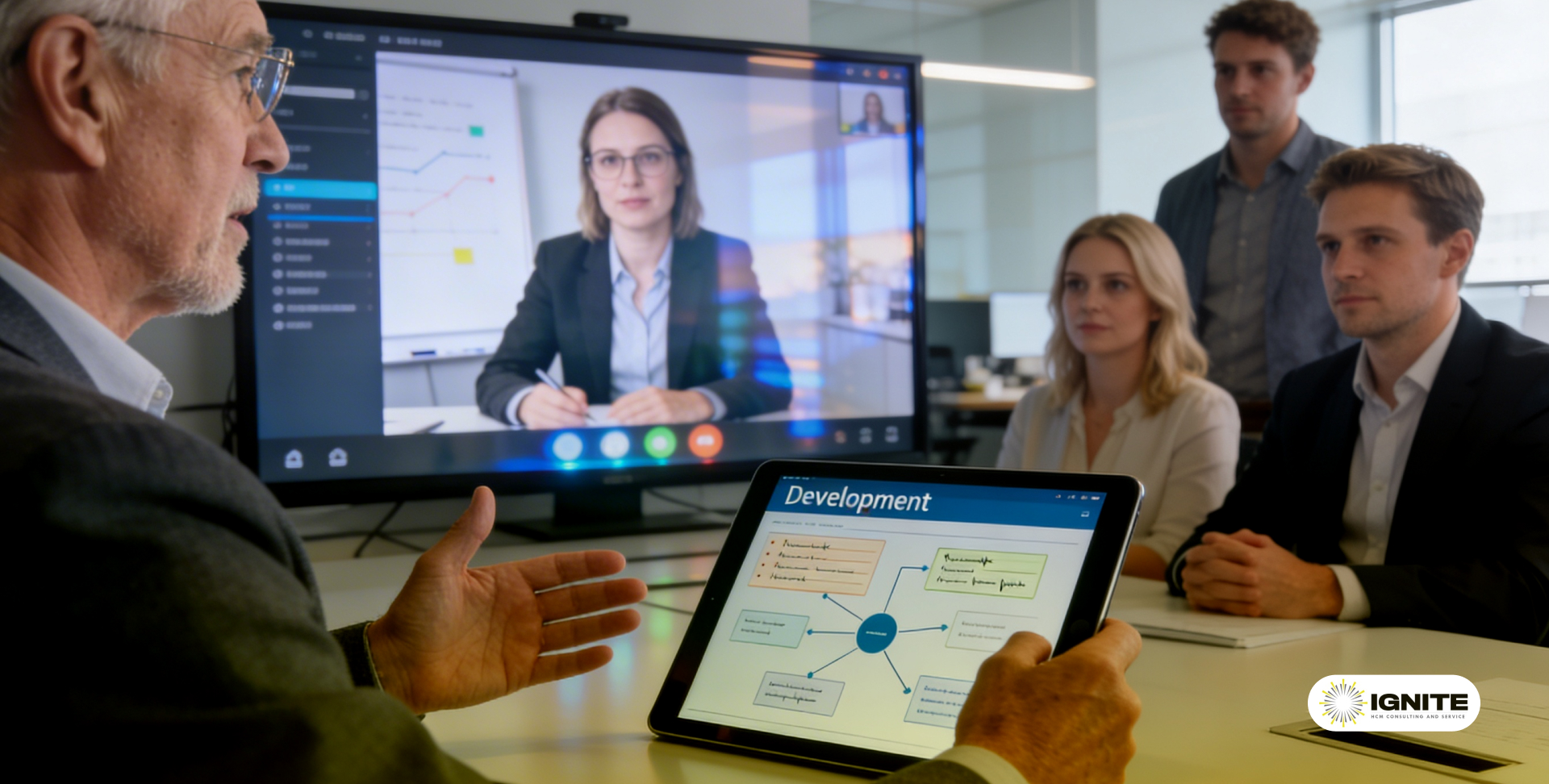
Let's be honest: Hybrid Work 2.0 isn't perfect, and anyone claiming otherwise is selling something.
Genuine connection remains difficult to replicate virtually. Video calls capture words and faces but miss subtle energy, spontaneous interactions, and the relationship-building that happens in unstructured moments. Organizations are experimenting with solutions—more frequent but shorter in-person gatherings, virtual events designed for serendipity, digital tools that recreate watercooler moments—but this remains a growth area.
Career development in hybrid environments requires new approaches. Traditional mentorship often happened through observation and proximity. New models need to be more explicit about sharing knowledge, more intentional about creating development opportunities, and more equitable in how those opportunities are distributed.
Maintaining culture across distance and time zones is genuinely hard. Culture used to emerge partly from shared physical space and daily interaction. Distributed teams need to be more deliberate about defining, communicating, and reinforcing cultural values.
Not every job or industry can fully embrace flexibility. Healthcare workers, manufacturing employees, retail staff, and many others have location-dependent work that limits remote options. Hybrid 2.0 thinking can still improve their experience—through schedule flexibility, workplace design, and autonomy in other areas—but the solutions look different.
---
The trajectory is clear, even if the destination isn't fully defined.
Work is becoming increasingly personalized. Just as we've moved from mass-produced consumer goods to customized experiences in other areas of life, work is moving from one-size-fits-all toward individual optimization. This doesn't mean anything goes—it means thoughtful systems that accommodate human variation within clear organizational parameters.
The office is being reimagined. Physical workspaces are evolving from places where work happens by default to places designed for specific high-value interactions. Expect continued experimentation with office design, location strategies, and the very concept of "headquarters."
Skills are shifting. The ability to communicate effectively in writing, to collaborate asynchronously, to manage your own time and energy, and to build relationships across distance—these capabilities will only become more valuable.
The employer-employee relationship is rebalancing. Workers have experienced what flexibility feels like, and many won't give it up easily. Organizations that fail to offer competitive flexibility will struggle to attract talent, while those that crack the code will have significant advantages.
---
Here's the thing about Hybrid Work 2.0: nobody has it completely figured out. The organizations that are succeeding are the ones treating this as an ongoing experiment rather than a problem to be solved once and forgotten.
What would it look like to bring genuine curiosity to how you work?
Maybe it's trying a new schedule for two weeks and tracking how it affects your energy and output. Maybe it's having an honest conversation with your team about what's working and what isn't. Maybe it's advocating for a policy change that would help everyone, not just you.
The next generation of flexible work won't be handed to us. It will be created by people who are willing to question assumptions, test new approaches, and share what they learn.
The future of work is being written right now. And whether you realize it or not, you're one of the authors.
---
The workplace transformation we're living through isn't a temporary disruption to be waited out. It's an opportunity to build something better than what existed before—work that fits into lives rather than consuming them, performance that's measured by impact rather than presence, and flexibility that's structured enough to be sustainable.
That's the promise of Hybrid Work 2.0. The question is: what will you do with it?