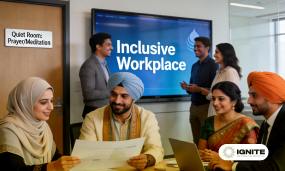
In today's increasingly diverse workforce, building a workplace culture of inclusion and belonging is more important than ever. A key part of fostering an inclusive environment is having policies in place to provide reasonable accommodations for employees' sincerely held religious beliefs and cultural practices.
Religious accommodation refers to any adjustment to the work environment that will allow an employee to practice their religion. Examples include flexible scheduling, voluntary shift swaps or modifications, job reassignments, and modifications to workplace policies or practices.
Cultural accommodation is similar but broader in scope. It involves taking steps to understand, accept and include the diverse cultural identities, backgrounds and practices of employees. This could mean allowing traditional cultural attire, providing areas for prayer or meditation, offering floating holidays to let employees celebrate cultural events, or creating employee resource groups.
The goal of both religious and cultural accommodation is full inclusion—enabling employees to bring their whole, authentic selves to work. When employees feel they don't have to hide or minimize core parts of their identity, it boosts engagement, productivity and retention.
Beyond simply being the right thing to do, there are compelling business reasons to prioritize religious and cultural accommodation:
Attract Top Talent: In a competitive hiring market, jobseekers increasingly evaluate a company's culture and values. An authentic commitment to diversity, equity and inclusion is now a must-have, not a nice-to-have. Inclusive accommodation policies make your organization more attractive to a wider talent pool.
Boost Innovation: Research shows that diverse and inclusive teams are more innovative. They bring a broader range of perspectives and ideas to the table. But to reap these benefits, employees need to feel psychologically safe and supported in expressing their diversity.
Enhance Customer Connection: For consumer brands and businesses, a diverse workforce helps you understand and connect with an equally diverse customer base. Employees from different religious and cultural backgrounds can provide valuable insights for product development, marketing and customer service.
Reduce Legal Risk: Failure to provide reasonable accommodations for religious practices can leave your company vulnerable to discrimination claims. A clear and consistently applied accommodation policy helps protect against potential liability.

So what does a best-in-class religious and cultural accommodation policy look like? Here are some key elements and considerations:
Reasonable Accommodations: Employers should make good faith efforts to provide reasonable accommodations for religious practices, as long as doing so won't cause undue hardship to the business. Communicate to employees and managers that all requests will be considered carefully and fairly.
Interactive Dialogue: Engage in an interactive discussion with employees who request accommodations to determine what adjustments would effectively meet their needs without disrupting business operations. Document the dialogue and rationale behind any decisions.
Consistency & Fairness: Have a consistent and transparent process for handling accommodation requests to ensure fairness. Avoid making assumptions; for example, don't decline a request because you believe it isn't required by an employee's religion. Let the employee explain the religious nature of their request.
Inclusive Time-Off Policies: Consider offering floating holidays or "personal days" that allow employees to take time off for religious or cultural observances that aren't official company holidays. Be as flexible as possible with scheduling and shift changes to accommodate time-off requests.
Designated Prayer/Meditation Areas: If feasible, provide access to a quiet space where employees can pray, meditate or observe religious practices during break times. This space should be available to employees of all faiths on an equal basis.
Dress Code Flexibility: Allow exceptions to dress and grooming policies for employees whose religious or cultural beliefs require certain attire, symbols, hairstyles or facial hair—as long as it doesn't impact workplace safety or unduly interfere with their duties.
Manager Training: Provide training to people managers on how to handle religious accommodation requests respectfully and consistently. Teach them to avoid stereotyping and probing too deeply into an employee's beliefs. Focus on understanding the requested accommodation and how to provide it, rather than judging the validity of the religious practice.
Policy Communication: Clearly communicate your religious accommodation policy through employee handbooks, onboarding, DEI training, and other channels. Ensure all employees understand the process for requesting accommodations. Consider an internal campaign to raise awareness of different religious and cultural practices.
Ongoing Listening & Learning: Regularly seek employee feedback on how well your organization supports religious and cultural diversity. Use surveys, focus groups and employee resource groups to surface issues and opportunities. Demonstrate a commitment to continuously improving your accommodation practices.
Here are some of the most common types of accommodations employers should be prepared to navigate:
Scheduling Changes: Employees may need to adjust work schedules to observe a Sabbath or other religious holidays. This could involve coming in early or staying late to make up missed time, or swapping shifts with coworkers. Employers should facilitate voluntary shift trades or provide flexible hours when possible.
Prayer Breaks: Some faiths require multiple prayer breaks at specific times throughout the workday. Employers should allow this just like they would any other short break, within reason. Proactively plan coverage for roles where unscheduled prayer breaks could impact operations or customer service.
Attire & Grooming: Many religions have requirements or norms around modest dress, head coverings, symbols, hairstyles, or facial hair. Employers should allow these practices even if they aren't aligned with standard dress code or grooming policies, as long as they don't pose a safety hazard.
Conscientious Objections: In some cases, employees may seek to avoid job tasks that conflict with their religious beliefs, such as serving alcohol, handling certain food products, or engaging in certain interactions with the opposite sex. Employers should consider job reassignments or swaps in these situations.
Again, it's important to carefully consider all accommodation requests through good-faith dialogue focused on finding solutions. Document everything and engage legal counsel as needed to ensure fair and consistent decision making.

What does an inclusive approach to religious and cultural accommodation look like in practice? Consider these hypothetical examples:
During Ramadan, Aamir's manager notices that he seems fatigued in the late afternoon. She reaches out to ask if he needs any accommodations around his fasting practice. Aamir appreciates her proactive allyship and requests a slightly later start time during the month of Ramadan so he can rest more in the mornings. His manager happily agrees and works with him to ensure his key meetings and deliverables aren't impacted.
Chaya, an Orthodox Jewish employee, is hesitant to request time off for Rosh Hashanah because it always falls during her company's busiest season and no one else has mentioned the holiday. Her manager, who participated in a recent training on religious inclusion, assures Chaya that her request will be supported. He helps her navigate the time off request process and partners with HR to ensure Rosh Hashanah is reflected on the company holiday calendar going forward.
Talia, a Muslim woman who wears a headscarf, is frequently questioned about her hijab by curious coworkers. While she appreciates their interest, it sometimes makes her feel othered and detracts from her actual work. When she raises this concern to HR, they work with her to deliver an educational Lunch & Learn on Islamic practices and allyship. Talia's colleagues gain a better understanding of when and how to respectfully engage in discussions about faith at work.
These examples demonstrate the power of proactive leadership, allyship and education in making employees from diverse backgrounds feel truly welcomed and included. The more organizations can move beyond "token" accommodations to truly celebrate religious and cultural diversity, the stronger and more equitable our workplaces will be.
As business leaders and HR professionals work to build more inclusive organizations, formalizing religious and cultural accommodation practices is a critical step. By crafting clear and empathetic accommodation policies, providing manager and employee education, and proactively supporting the needs of a diverse workforce, companies can turn good intentions into tangible impact.
The result will be a workplace where people of all backgrounds are empowered to contribute their full potential—and that's the ultimate benefit of inclusion.
Building a truly inclusive workplace? Discover how religious and cultural accommodation policies can help every employee bring their authentic self to work and thrive.